Currently Empty: $0.00
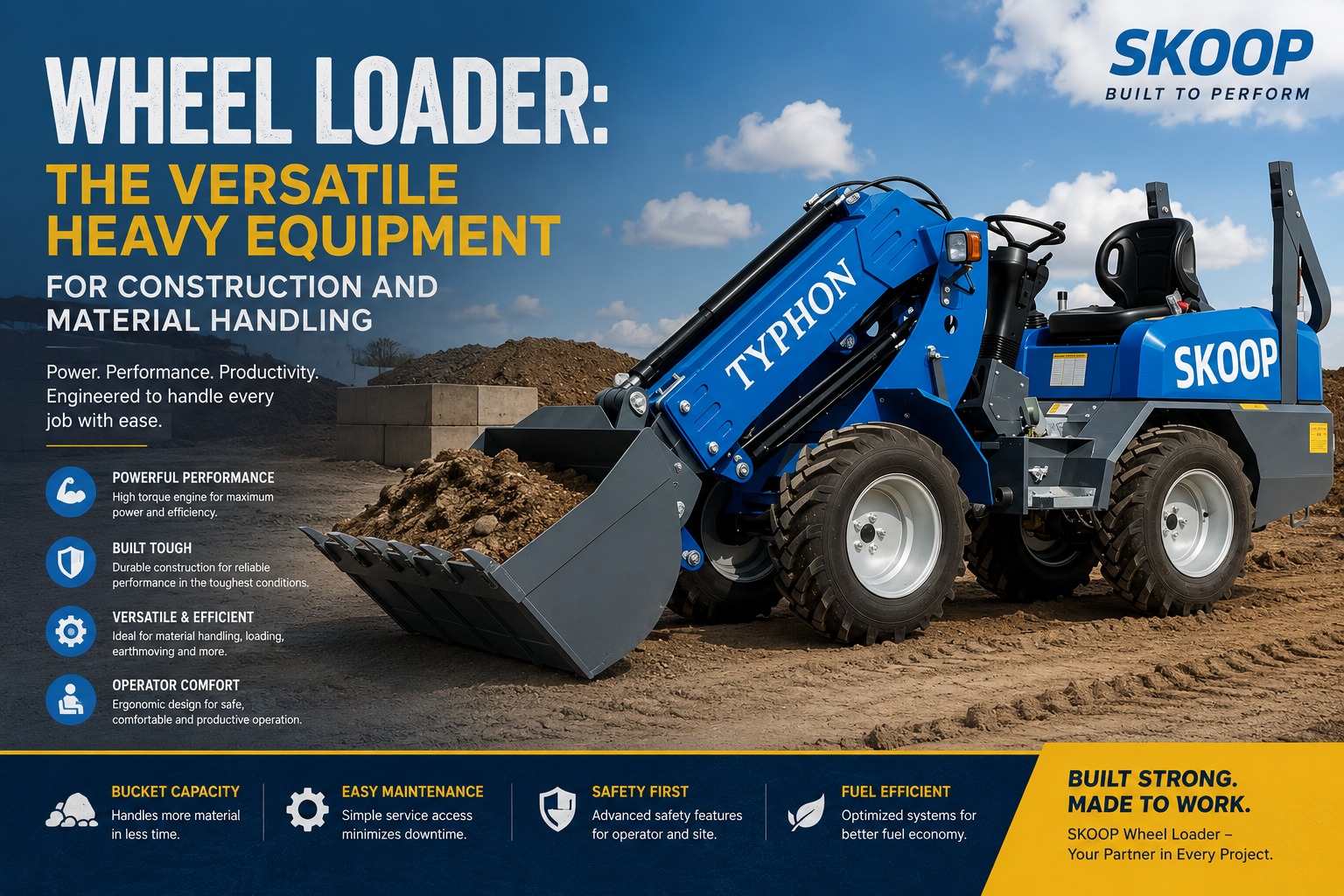
Wheel Loader: The Versatile Heavy Equipment for Construction and Material Handling
Some machines do one job well. The wheel loader does many — and that range is exactly why it shows up on more job sites than almost any other piece of heavy equipment. Load a truck in the morning, feed a crusher by midday, stack pallets in the afternoon, and clear snow when winter hits. One machine, one operator, an entire shift’s worth of varied work.
For contractors, fleet managers, quarry operators, and logistics teams, that adaptability translates directly into value. This article looks at what makes the wheel loader so versatile, how it performs across industries, the attachments that expand its reach, how it stacks up against other equipment on high-volume work, and why it earns its keep as a long-term investment.
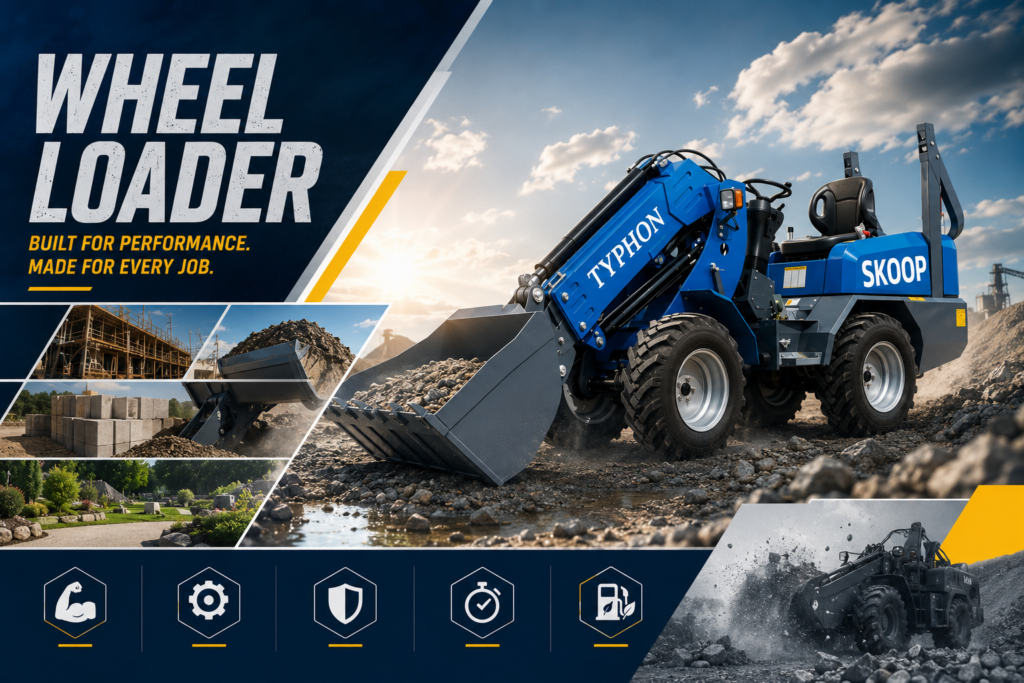
What Makes the Wheel Loader So Versatile
Versatility in heavy equipment isn’t an accident. It’s the product of a design built to adapt, and the wheel loader is engineered for exactly that.
Three qualities drive its flexibility:
- A universal attachment system. A quick-coupler lets one machine switch from a bucket to forks to a grapple in minutes, often without the operator leaving the cab.
- Strong lift and reach. The hydraulic lift arms raise heavy loads high enough to charge hoppers and load high-sided trucks — work that rules out smaller machines.
- Articulated maneuverability. Steering that bends in the middle gives the machine a tight turning radius for its size, so it works efficiently in yards, quarries, and confined sites alike.
Put those together and you get a machine that adjusts to the task instead of forcing the task to fit the machine. That’s the foundation of its appeal: a single, dependable platform that handles a wide spread of material-handling demands.
Built to Perform Across Industries
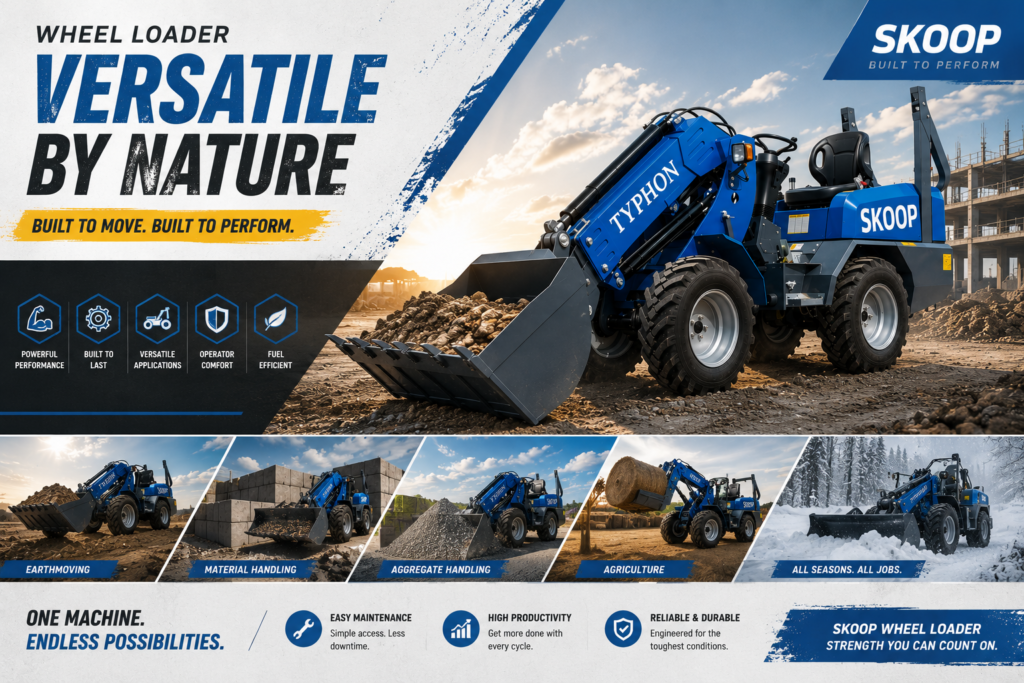
A wheel loader’s real strength shows in how cleanly it moves between very different working environments. The same core machine delivers across sectors that have little else in common.
Construction
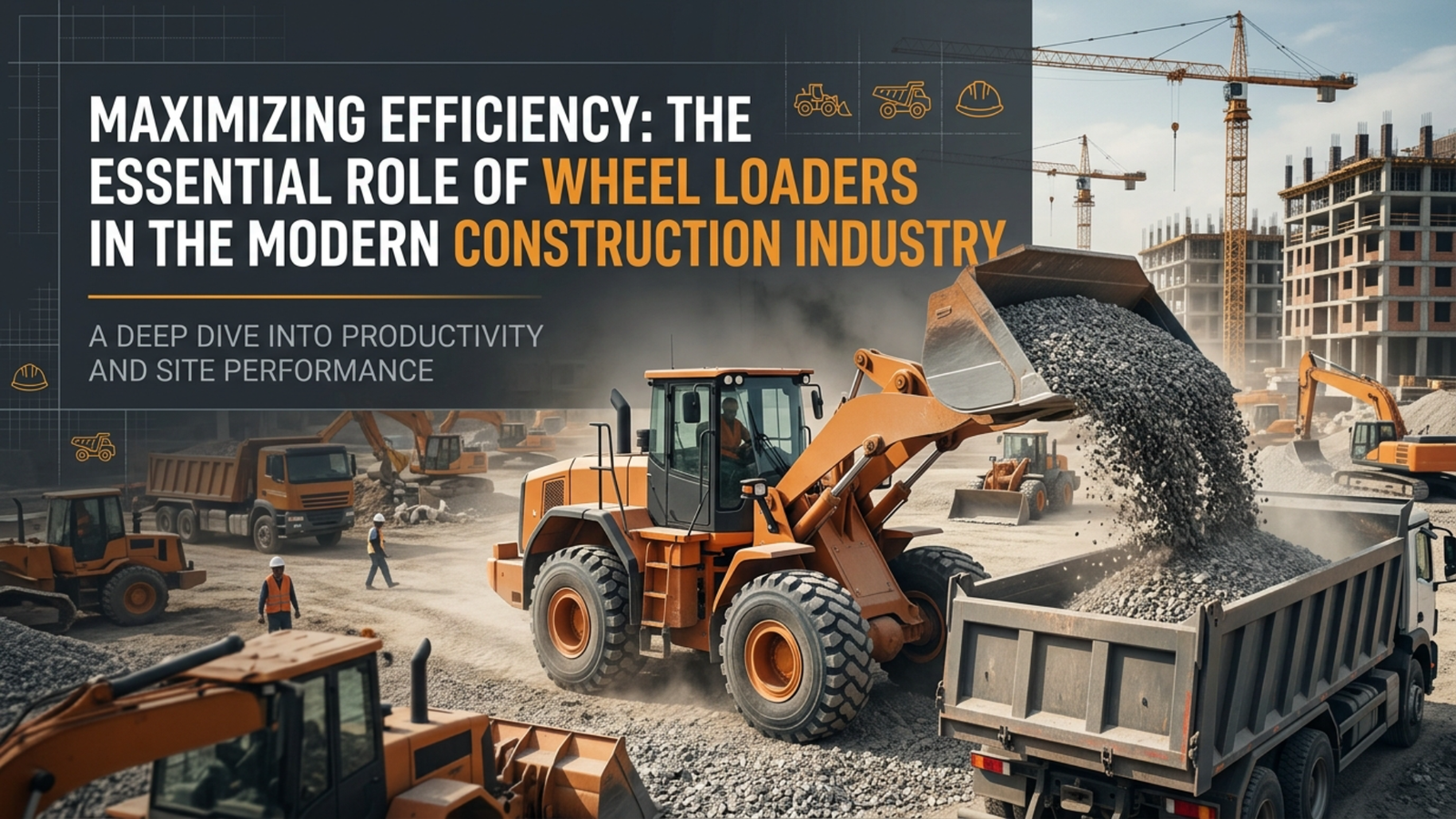
On construction sites, the wheel loader is a high-throughput workhorse. It loads trucks with soil and aggregate, feeds crushers and batch plants, moves material across the site, and handles backfill. When a dig depends on a steady flow of haul trucks, a loader keeps those trucks moving so the excavation never stalls waiting on transport.
Quarrying and Aggregate
In quarries, the loader digs and loads blasted rock, feeds crushers, and charges haul trucks with ore and aggregate. Production here runs on uptime and cycle speed — every minute the loader works, the whole operation keeps producing. Reliability under heavy, repetitive loads is non-negotiable, and a well-matched loader delivers it.
Agriculture
On farms and in feedlots, the loader handles feed, grain, manure, silage, and palletized supplies. Swap a bucket for a fork or grapple, and one machine loads wagons, fills mixers, and clears yards. For a large livestock operation, that daily reliability keeps feeding and cleanout on schedule no matter the season.
Logistics and Material Handling
At transfer stations, recycling facilities, and bulk-storage yards, loaders push, sort, stage, and load material in volume. Specialized buckets and grapples let a single machine handle abrasive, demanding conditions while keeping throughput high. The result is faster turnaround and fewer machines needed to move the same tonnage.
The takeaway is simple: wherever loose material needs to move in bulk, the wheel loader fits — and it fits well.
The Attachments That Expand Its Capability
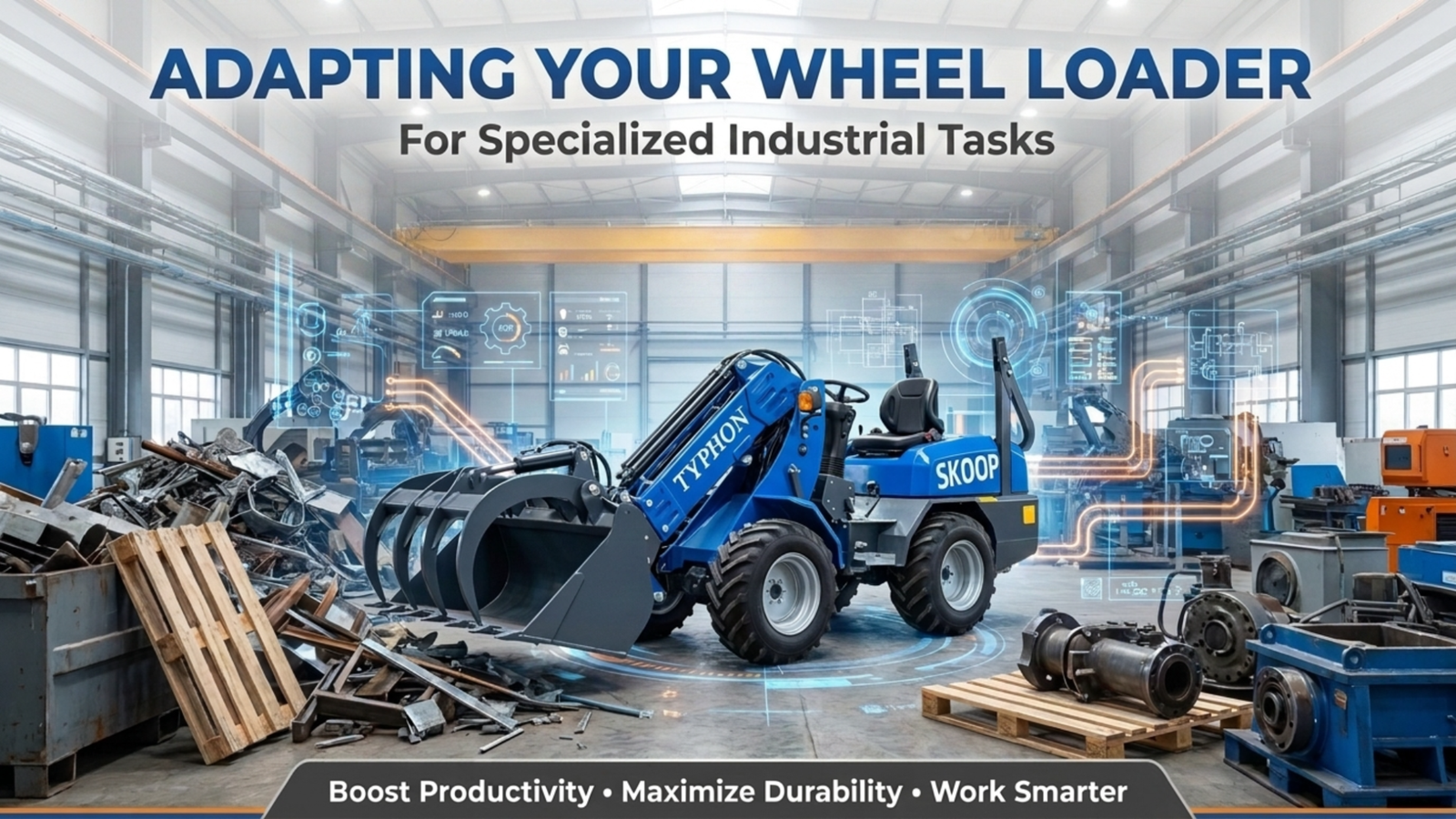
The bucket is only the beginning. A wheel loader’s quick-coupler system turns it into a multi-tool platform, and the right attachments stretch its usefulness across seasons and tasks.
- General-purpose buckets for digging, loading, and carrying loose material
- High-capacity and light-material buckets for snow, mulch, and bulk products
- Pallet forks for lifting and moving palletized loads in yards and warehouses
- Grapples for logs, scrap, waste, and irregular material
- Snow blades and snow buckets for clearing lots, roads, and entrances
- Side-dump and multipurpose buckets for tight-dumping situations and combined tasks
This range is what converts a single purchase into year-round value. The loader that moves aggregate through summer clears snow through winter and stages material the rest of the year. Each attachment a fleet adds widens the machine’s earning potential without adding another machine to buy, transport, and maintain.
Before committing to an attachment, confirm the coupler fits and the loader’s hydraulics deliver the flow and pressure the tool requires. Matching the attachment to the machine’s capacity keeps performance strong and protects the investment.
How Wheel Loaders Compare on High-Volume Jobs
When the work is moving large quantities of loose material, the wheel loader holds a clear advantage over many alternatives — and understanding why helps you deploy the right machine.
Against excavators: An excavator excels at digging and reaching below grade, but it’s slow to relocate and limited for hauling and loading at volume. For repetitive truck-loading from a stockpile, a wheel loader cycles faster and moves more material per hour.
Against skid steers and compact track loaders: These machines win in tight spaces and on finished surfaces, but their bucket capacity and lift height fall well short of a wheel loader’s. On high-tonnage work, the smaller machines simply can’t keep pace.
Against dozers: A dozer pushes material effectively over short distances, but it can’t lift and load into a truck or hopper. The wheel loader does both — carry and load — which makes it the more flexible choice for most material-handling cycles.
The defining metric on high-volume work is cost per ton moved. A properly sized wheel loader, with strong bucket capacity and fast cycle times, delivers one of the lowest costs per ton of any practical option. That efficiency is precisely why high-throughput operations build their material flow around it.
Operator Efficiency That Compounds Over a Shift
Productivity isn’t only about the machine — it’s about how effectively the operator can run it hour after hour. Modern wheel loaders are designed to keep operators comfortable, aware, and efficient through long, demanding shifts.
Several features drive that efficiency:
- Clear visibility to the bucket, the load, and the surrounding work area for safe, accurate loading
- Ergonomic controls that reduce fatigue and make repetitive cycles smoother
- Ride control that dampens travel over rough ground, protecting both the operator and the load
- Responsive hydraulics that translate operator input into precise bucket movements
Small efficiencies compound. A few seconds saved per loading cycle, multiplied across hundreds of cycles a day, adds up to meaningful gains in throughput and fuel use. A comfortable, confident operator works faster, makes fewer mistakes, and sustains output from the first load to the last — and that consistency is where real productivity lives.
Why Wheel Loaders Deliver Strong ROI
For fleets and contractors weighing a serious equipment investment, return on investment is the question that matters most. The wheel loader answers it well, and for reasons that go beyond raw productivity.
One machine, many roles. Versatility reduces the number of machines a fleet needs to own. Instead of a dedicated loader, a separate material handler, and a separate snow machine, one well-equipped wheel loader covers all three. That consolidation cuts purchase, transport, insurance, and maintenance costs across the board.
High utilization. Because the loader works across seasons and tasks, it spends less time sitting idle. Equipment that earns its keep year-round returns its cost faster than a single-purpose machine that works only part of the year.
Low cost per ton. On high-volume loading, the efficiency of the wheel loader keeps operating cost per ton low — a direct, measurable contribution to project margins.
Strong resale value. Wheel loaders from reputable manufacturers hold their value well, supported by broad demand across multiple industries. That residual value protects the investment when it’s time to upgrade or trade.
To capture the full return, build a multi-year cost model that accounts for fuel, maintenance, tires, attachments, and resale — not just the purchase price. Sized correctly and maintained consistently, a wheel loader rewards that planning with years of dependable, profitable service.
A Multi-Industry Workhorse You Can Count On
The wheel loader has earned its reputation honestly. Few machines match its combination of capacity, flexibility, and reliability — and fewer still deliver that performance across construction, quarrying, agriculture, and logistics with equal confidence. It loads, carries, lifts, sorts, and clears, adapting to the task in front of it and moving material in volume wherever the job demands.
That adaptability is what makes it indispensable. A wheel loader matched to your workload, equipped with the right attachments, and backed by dependable service becomes more than a machine — it becomes the backbone of your material flow and a consistent contributor to your bottom line.
When you’re ready to invest, start with an honest assessment of the work you do most: what you move, how much, how high, and across which seasons. Let those answers guide your size class, attachment lineup, and configuration. Choose well, maintain it diligently, and the wheel loader will repay that decision shift after shift, season after season — exactly the kind of return a hardworking operation deserves.
- Safety guidelines for operating heavy equipment and construction machinery.
- Information about wheel loader models, features, and applications.
Volvo Construction Equipment Wheel Loaders
- Wheel loader technology, specifications, and innovations.
- Product information and wheel loader applications.
- Wheel loader solutions for construction and material handling.