
Currently Empty: $0.00
Open Cab or Enclosed Cab Wheel Loader: Which Option Fits Your Worksite?
You climb into the seat, fire up the loader, and start moving material. Within an hour, the choice you made at purchase makes itself known. On a mild, dry morning with tight sightlines, an open cab feels perfect. On a dusty afternoon, in driving rain, or three hours into a cold shift, that same open cab starts costing you comfort, focus, and productivity. Pick the wrong cab, and you either pay for climate control you never use or spend every rough day wishing you had it.
The decision comes down to more than personal preference. It’s about your climate, your material, your noise and dust levels, and how many hours your operators spend in the seat. This guide walks you through how each cab type works, where an open cab earns its keep, where an enclosed cab clearly wins, how your worksite and operator comfort should steer the choice, and what to weigh before you buy or rent.
The cab configuration also affects how consistently your loader performs throughout the year. A machine that keeps operators comfortable and protected can help maintain focus during long shifts, while the wrong setup may lead to fatigue and reduced efficiency. Looking at the conditions your loader faces most often will reveal which cab design fits the demands of your operation.
How Each Cab Type Works
To make the right decision, you need to understand what each cab actually does for the operator and the machine. Both put someone in the seat to run the loader, but they protect that operator, control the environment, and shape the workday in completely different ways. That single design difference drives much of how the machine fits your site.
The cab style influences more than comfort; it affects visibility, exposure to weather, dust control, noise levels, and how long operators can work effectively. Understanding these differences helps you match the loader setup to the conditions it will face instead of adapting the job around the machine.
The Open Cab: Simple and Exposed
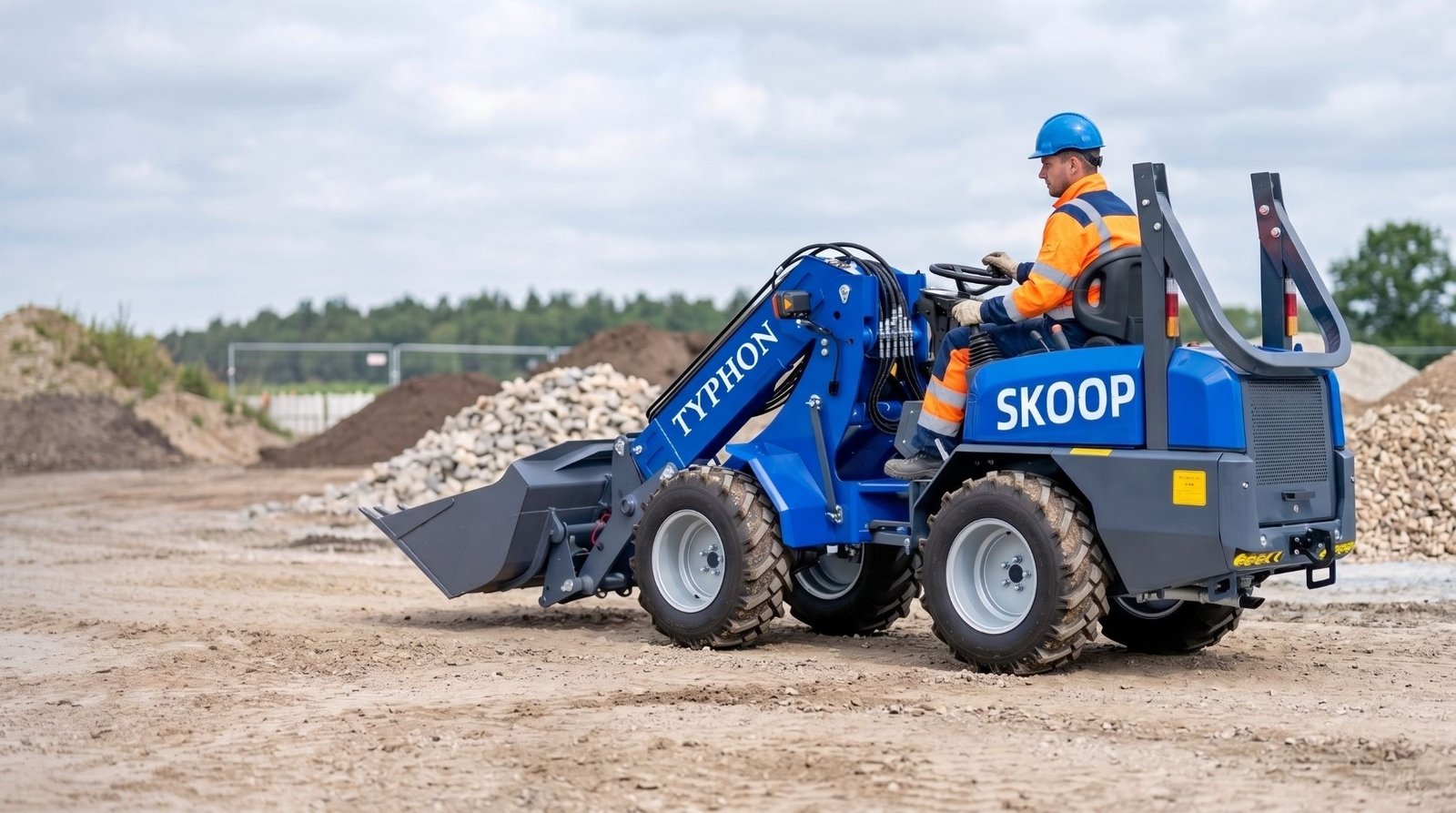
An open cab gives the operator a seat, controls, and an overhead protective structure, but leaves the sides open to the surrounding air. There’s no sealed enclosure, no climate control, and no glass between the operator and the worksite. You get straightforward protection from rollover and falling objects, plus an unobstructed connection to everything happening around the machine.
That simplicity is the open cab’s strength. Fewer components mean a lower purchase price and less to maintain, and the open sides give the operator wide, direct visibility and easy in-and-out access. The tradeoff is exposure: whatever the weather, dust, or noise is doing outside, the operator feels all of it.
Takeaway: An open cab trades weather and dust protection for lower cost, wide visibility, and simplicity, making it a fit for mild conditions and shorter tasks.
The Enclosed Cab: Sealed and Controlled
An enclosed cab surrounds the operator with a sealed structure, glass windows, and usually heating and air conditioning. It shuts out rain, cold, heat, dust, and much of the noise, creating a controlled space where the operator can focus regardless of what the worksite throws at the machine. Many enclosed cabs add filtration to keep breathable air clean in dusty conditions.
The tradeoff is cost and complexity. An enclosed cab raises the purchase price, adds a climate system and seals to maintain, and encloses sightlines behind glass and pillars. But for long shifts, harsh weather, or dirty, loud environments, that sealed comfort keeps operators productive and protected in ways an open cab can’t match.
Takeaway: An enclosed cab trades higher cost and added complexity for climate control, clean air, and quiet, making it built for demanding conditions and long hours.
Where an Open Cab Excels
An open cab is not a compromise simply because it has a simpler design. In the right environment, it provides excellent visibility, easy access, and lower operating costs while giving operators the direct connection they need for many everyday tasks. Adding an enclosed cab to a machine that rarely faces harsh conditions may only increase the investment without adding real value.
Open cabs perform best in clean, moderate environments where weather exposure, dust, and long operating hours are not major concerns. For jobs focused on visibility, quick entry and exit, and short-duration material handling, this setup can deliver the practicality and efficiency the operation needs.
Visibility and Quick Access
Open sides give the operator a clear, unobstructed view in nearly every direction. When you’re loading close to obstacles, working near ground crews, or maneuvering in tight quarters, that direct sightline helps you place the bucket precisely and keep an eye on people around the machine. There’s no glass glare, no blind pillar, and no fogged window between you and the work.
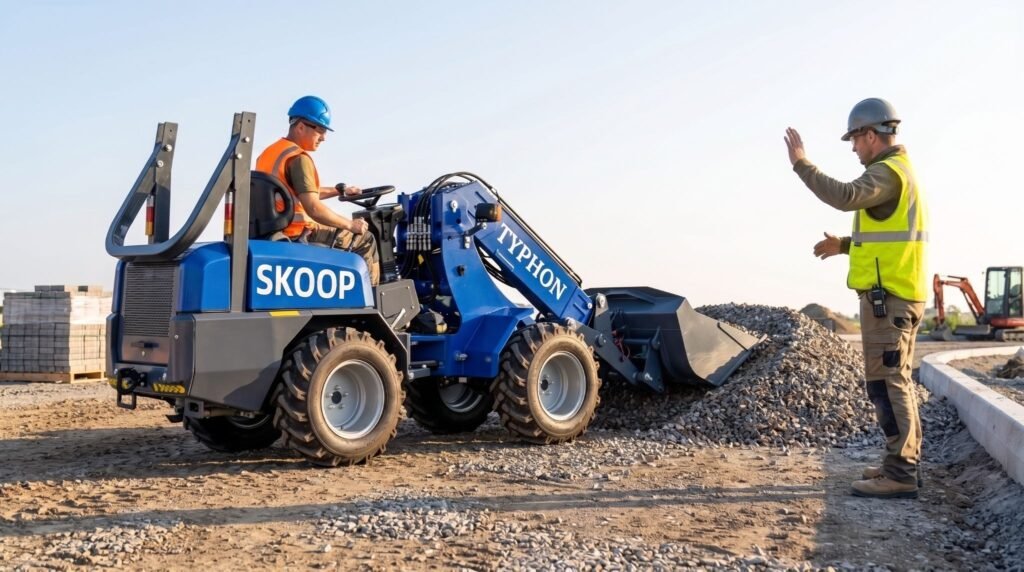
Access is just as easy. On jobs with frequent stops, where the operator climbs in and out to check work, hook attachments, or talk with the crew, the open cab makes every entry and exit fast. For short-cycle tasks and jobs that keep you moving on and off the machine, that convenience adds up across a shift.
Lower Cost and Mild-Climate Work
An open cab costs less to buy and less to maintain, with no climate system or seals to service. If your work lives in a mild, dry climate where weather rarely interferes, that saved money is money you keep without giving up capability. You’re simply not paying for protection your conditions don’t demand.
Short-duration and seasonal work strengthens the case further. A loader used for brief tasks, occasional jobs, or mostly fair-weather work rarely justifies the premium of an enclosed cab. When the climate cooperates and the hours in the seat stay modest, an open cab delivers the productivity you need at a price that respects your budget.
Takeaway: Reach for an open cab when your work involves tight visibility demands, frequent access, mild climates, or short tasks, where its clear sightlines and lower cost pay off without sacrificing what the job needs.
Where an Enclosed Cab Wins
An enclosed cab becomes the
option when the job exposes operators to dust, extreme temperatures, noise, or extended hours in the seat. Its sealed design helps create a more controlled working environment, while heating and air conditioning improve comfort during changing weather conditions.
For operations that run through harsh seasons or demanding conditions, an enclosed cab helps operators stay focused and productive for longer periods. When the environment starts affecting visibility, comfort, or concentration, the added protection of an enclosed loader cab becomes a valuable advantage.
Harsh Weather and Dusty Conditions
Rough weather is where an enclosed cab proves its worth every day. Rain, snow, biting cold, and blazing heat all wear an operator down in an open cab, slowing the work and inviting mistakes. A sealed cab with heating and air conditioning keeps the operator comfortable and focused no matter what the sky is doing, so productivity holds steady through conditions that would sideline an exposed machine.
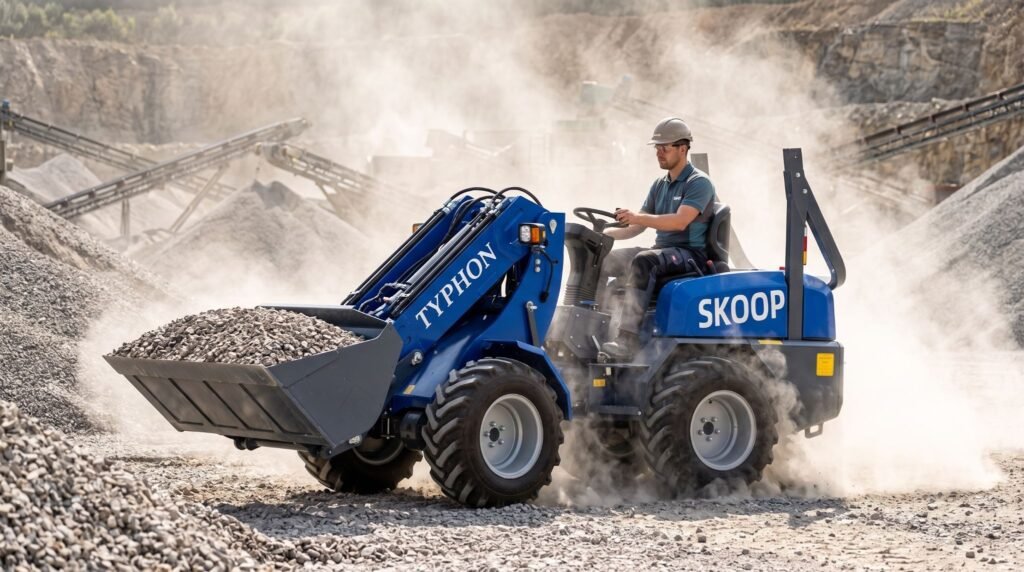
Dust is just as important. Loaders working in demolition, quarry, agricultural, or dry earthmoving environments kick up constant airborne material. An enclosed, filtered cab keeps that dust out of the operator’s face and lungs, protecting both comfort and long-term health. In dirty conditions, that clean, controlled air is a genuine safeguard rather than a luxury.
Noise Reduction and Long Shifts
A sealed cab cuts down the noise that surrounds a working loader. Engine roar, material impact, and busy-site clamor all fatigue an operator over a shift, and reducing that constant din helps maintain focus and reduces stress. On loud sites, that quieter environment is a real advantage for both performance and operator well-being.
Long hours make the difference decisive. When operators spend full shifts in the seat, day after day, the comfort of a climate-controlled, quiet cab directly affects how alert and productive they stay. Fatigue drives errors and slows cycles, so a cab that keeps operators fresh through a long shift protects your output and your safety record at the same time.
Takeaway: Choose an enclosed cab for harsh weather, heavy dust, loud sites, and long operator shifts, where its sealed comfort, clean air, and quiet protect both productivity and operator health.
How Worksite Conditions and Operator Comfort Steer the Choice
The best cab setup depends on the environment the loader works in every day, not simply what is most common. Weather exposure, material conditions, jobsite cleanliness, noise levels, and operator hours all influence whether an open or enclosed cab will perform better.
Looking closely at the demands of the operation makes the decision easier before comparing equipment details. A cab that matches the working conditions helps improve operator comfort, maintain productivity, and support consistent performance throughout the job.
Read Your Climate and Environment First
Start with the conditions your loader actually works in. A mild, dry climate with clean material and light dust supports an open cab comfortably, while cold winters, hot summers, wet weather, or heavy airborne dust point firmly toward an enclosed cab. Be honest about your worst days, not your average ones, because the cab has to hold up when conditions turn against you.
The environment matters as much as weather. Demolition, quarry, and agricultural sites generate dust and noise that wear on an exposed operator, while clean, quiet, open-air work rarely does. Match the cab to the environment your machine runs in most, and you protect both comfort and productivity where it counts.
Weigh Operator Hours and Well-Being
Next, look hard at how much time operators spend in the seat. Brief, intermittent use leans open cab; full shifts, day after day, lean enclosed. Fatigue is a real cost, and an operator worn down by weather, dust, and noise makes more mistakes and moves slower, so comfort translates directly into output and safety over a long day.
Consider your crew and hiring, too. A comfortable, climate-controlled cab can make a real difference in operator satisfaction and retention, especially in tough climates where skilled operators have choices. Investing in operator comfort isn’t just about the individual shift; it’s about keeping good people in the seat over the long run.
Takeaway: Let climate, environment, and operator hours drive the decision, and you’ll match the cab to the conditions you actually work in rather than the ones you wish for.
Conclusion
Open and enclosed cab wheel loaders serve different operating environments, with each design solving a specific set of challenges. Open cabs provide direct visibility, easy entry, and lower upfront costs, making them practical for clean jobsites, moderate weather, and applications where operators need maximum awareness around the machine. Enclosed cabs add protection through sealed interiors, climate control, and reduced exposure to dust and noise, making them better suited for demanding conditions and longer shifts.
The cab decision should come from the conditions the loader faces every day, not from a one-size-fits-all approach. Evaluating temperature, material handling conditions, airborne dust, noise levels, and operator workload helps determine which setup supports better performance. A well-matched cab allows operators to stay focused, reduces environmental strain, and helps the machine deliver consistent results throughout its working life.
Frequently Asked Questions
Can an open cab loader be upgraded to an enclosed cab later?
Yes, some machines can be fitted with enclosure kits. However, factory-installed enclosed cabs usually provide better sealing, climate control, and overall integration.
Does an enclosed cab affect loader visibility?
It can slightly reduce open visibility due to windows and cab frames, but modern designs with large glass panels and cameras help maintain good sightlines.
Is an enclosed cab harder to maintain?
Enclosed cabs require extra maintenance for items such as filters, seals, air conditioning, and heating systems. Regular checks help keep the cab comfortable and effective.