Currently Empty: $0.00
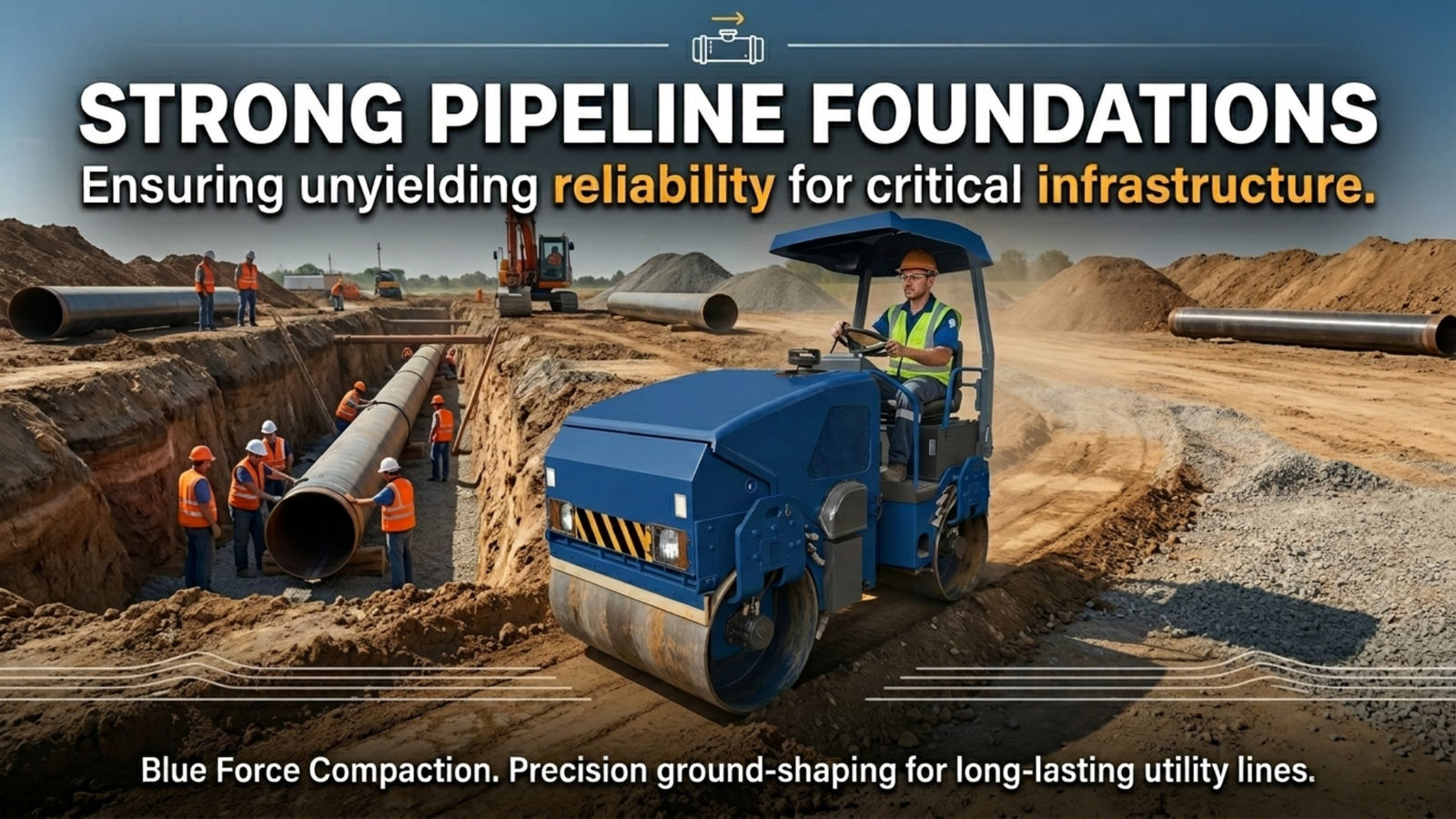
Using Road Rollers to Build Stronger Utility and Pipeline Foundations
Utility and pipeline projects live or die by the quality of the ground beneath them. Once trenches are backfilled and pipes are set, poor compaction becomes tomorrow’s settling, cracking, and costly repairs. Road rollers are the machines that prevent those problems, delivering the firm, stable ground that keeps utility infrastructure sound for decades. But choosing and using the right roller for these specialized jobs takes more than horsepower. This post explains how road rollers support utility and pipeline work, covering reliable compaction around installations, matching roller types to ground conditions, working productively in tight spaces, keeping projects on schedule with consistent performance, and maintaining your equipment for long-term jobsite reliability.
Achieve Reliable Compaction Around Utility Installations
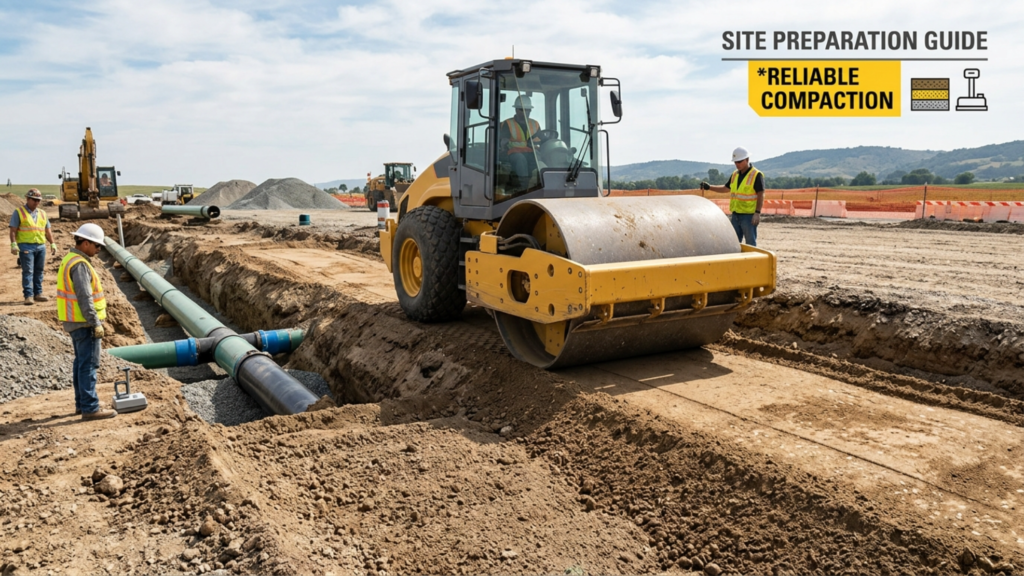
Compaction is the foundation of any successful utility or pipeline installation, and road rollers are the equipment that delivers it dependably. When crews dig trenches, lay pipe, and backfill, the disturbed soil must be compacted properly to create stable ground conditions. Loose or poorly compacted fill leaves voids and weak points beneath the surface, and over time those weaknesses cause the ground to shift and settle. A road roller compresses the backfill in controlled layers, driving out air pockets and locking the material into a dense, load-bearing state that supports whatever sits above it.
The consequences of skipping or rushing this step show up long after the crew has left. Settling around a trench can crack pavement, damage buried pipelines, and create dangerous surface depressions that require expensive rework. Proper compaction prevents these issues by ensuring the fill won’t shift under the weight of traffic, structures, or the passage of time.
Getting reliable results depends on a few core practices worth following closely:
- Compact in lifts, working the backfill in manageable layers rather than one deep, uncompactable mass.
- Match compaction effort to the soil, applying the right force for the material being placed.
- Verify density, confirming the ground meets the project’s compaction specifications before moving on.
Following this disciplined approach protects the long-term durability of the installation. When compaction is done right around trenches, pipelines, and utility infrastructure, the ground stays firm and the buried assets stay protected. That reliability is exactly what utility and pipeline projects demand, and it’s why a capable road roller is such an essential part of the work.
Select the Right Roller Type for Different Ground Conditions
No single roller performs best in every situation, which is why choosing the correct machine for the ground you’re working is so important. Utility and pipeline projects often cross varied soil types within a single job, and each material responds differently to compaction. Selecting the right roller for each section helps you achieve the density and stability the project requires without wasted effort or poor results.
The choice generally comes down to matching the drum design to the soil, and understanding the main options makes that decision straightforward:
- Smooth drum rollers, best suited to granular materials like sand and gravel, where they produce a tight, even surface through direct pressure and vibration.
- Padfoot (or sheepsfoot) rollers, designed for cohesive soils such as clay and silt, where the protruding pads knead the material and compact it from within.
- Specialized rollers, including trench rollers and compact models built for confined spaces and specific compaction challenges common on utility jobs.
Choosing from these options based on the actual conditions ensures each pass counts and the ground meets specification.
The reasoning behind these designs is practical. Smooth drums excel at surface compaction of loose, grainy material but struggle to grip and compress heavy clay. Padfoot rollers solve that problem by penetrating cohesive soil and working it thoroughly, layer by layer. On many utility projects, both conditions appear, and having the right machine for each section prevents the incomplete compaction that leads to settling. Take time to assess the soil types across your site before selecting equipment, and match your roller accordingly. That deliberate choice delivers better results on every section of the job and protects the integrity of the finished installation.
Improve Productivity in Tight Construction Areas
Utility and pipeline work rarely happens in wide-open spaces. Crews often operate in narrow trenches, along congested streets, and around existing structures and buried services that leave little room to maneuver. Compact road rollers are built for exactly these conditions, giving operators the ability to compact effectively in areas where a full-size machine simply cannot fit. Their smaller footprint turns tight, awkward job sites into workable ones without sacrificing compaction quality.
The advantage of a compact roller lies in its maneuverability. Its size lets operators navigate confined trenches, work close to walls and foundations, and move through restricted access points that would stop larger equipment. This means crews can compact right up to the edges of an installation, where thorough compaction matters most and where gaps often lead to future settling. Rather than leaving hard-to-reach areas poorly compacted or resorting to slow manual methods, operators can complete the work efficiently with the right compact machine.
That efficiency translates directly into productivity on space-constrained projects. When a roller can access every part of the work zone, crews spend less time repositioning, working around obstacles, or hand-compacting problem areas. The machine handles the full job quickly and consistently, keeping the crew moving from one section to the next. On utility and pipeline projects where schedules are tight and job sites are crowded, this ability to work productively in restricted areas is a genuine advantage. A compact, maneuverable roller lets operators maintain both speed and compaction quality in conditions that would otherwise slow the entire operation, making it an indispensable tool for the specialized demands of utility construction.
Reduce Project Delays With Consistent Compaction Performance
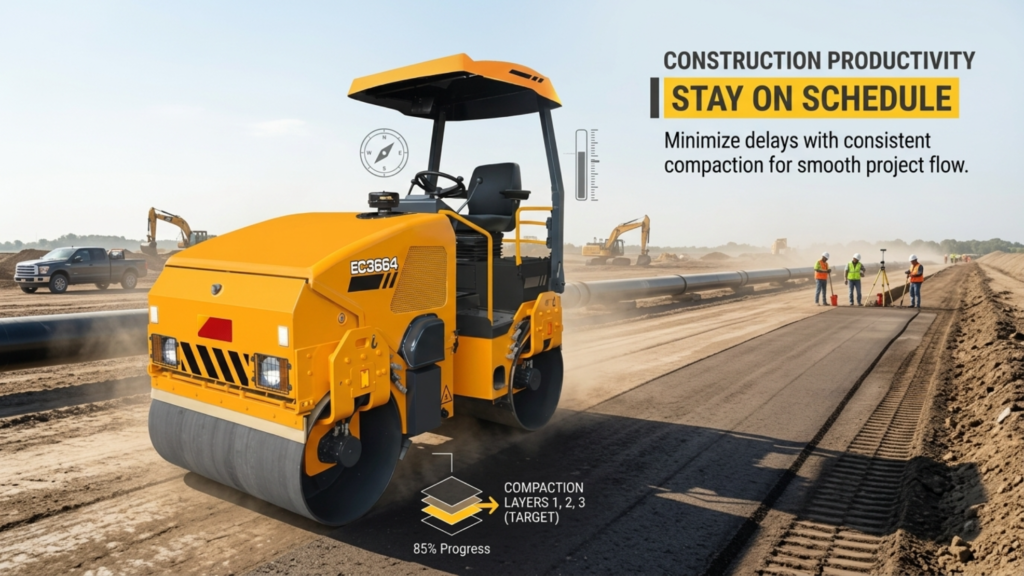
Delays are costly on any construction project, and inconsistent compaction is a frequent, avoidable cause. When a roller lacks the force or the vibration performance to compact material properly, crews are forced into repeated passes, chasing the density the specification demands. Those extra passes consume time, fuel, and labor, and they can hold up the entire sequence of work behind them. A roller that delivers consistent, reliable compaction performance keeps ground preparation moving and helps crews stay on schedule.
The key to this consistency lies in strong vibration systems and dependable compaction force. Vibration dramatically increases a roller’s effectiveness by driving the compaction energy deep into the material, settling particles tightly together with far less effort than static weight alone. When that system performs reliably, the roller achieves the required density in fewer passes, letting crews complete each section faster and move on with confidence. Weak or inconsistent vibration, by contrast, leaves operators guessing and repeating work.
The impact on the project timeline is significant, and it comes from a few reliable strengths:
- Strong compaction force, achieving target density efficiently across each layer.
- Reliable vibration systems, driving energy through the material for thorough, uniform results.
- Consistent performance, reducing the guesswork and repeated passes that slow crews down.
Efficient rolling like this keeps the whole operation flowing. When each section is compacted correctly the first time, there’s no need to return and rework ground that should already be finished. That reliability shortens the ground preparation phase and keeps the project advancing on schedule, which protects both budgets and deadlines. For utility and pipeline crews working against demanding timelines, a roller that performs consistently is one of the most dependable ways to avoid delays and keep the job on track.
Maintain Equipment for Long-Term Jobsite Reliability
A road roller can only deliver dependable performance if it’s kept in good working condition, and that makes regular maintenance essential on demanding utility and pipeline projects. These job sites are tough on equipment, with dust, debris, uneven ground, and long hours of vibration all placing steady strain on the machine. Consistent maintenance keeps the roller ready to work through those conditions, protecting both your schedule and your investment over the long term.
The foundation of reliability is a routine of regular inspection and preventive care. Checking the machine before each shift catches small problems while they’re still minor, well before they grow into breakdowns that stop work. Preventive maintenance performed on schedule keeps critical systems operating as designed, so the roller delivers the same strong compaction on the last day of a job as it did on the first.
A few focus areas keep a roller dependable in harsh environments:
- Vibration system, inspected regularly since it endures constant stress and is central to compaction performance.
- Hydraulic and drive systems, checked for leaks and proper operation to maintain power and control.
- Drum and scraper condition, kept clean and in good shape for consistent, even compaction.
- Fluids and filters, serviced on schedule to keep the engine and systems running smoothly.
Staying ahead of these items pays off across the entire operation. A well-maintained roller experiences less unexpected downtime, which keeps crews productive and projects on schedule. It also operates more safely, since properly functioning brakes, controls, and systems protect the operator and everyone on site. Beyond that, diligent care extends the machine’s service life, delaying costly replacement and maximizing the value of your equipment. Following the manufacturer’s recommended maintenance schedule gives you a clear framework to work from. Commit to that discipline, and your road roller will keep delivering the reliable performance that utility and pipeline work demands.
Conclusion
Road rollers play a central role in the success of utility and pipeline projects, delivering the firm, stable ground that keeps buried infrastructure sound for years. By achieving reliable compaction around installations, you prevent the settling that leads to costly repairs. Choosing the right roller type for each soil condition ensures thorough results across every section, while compact machines keep crews productive in tight, restricted spaces. Consistent vibration and compaction force reduce repeated passes and keep projects on schedule, and regular maintenance protects uptime, safety, and long-term equipment value. Together, these practices help you build utility and pipeline infrastructure that lasts.
Ready to put the right roller to work on your next project? Review your ground conditions, match the machine to the job, and commit to a solid maintenance routine — and you’ll achieve dependable compaction, fewer delays, and lasting results on every installation.