Currently Empty: $0.00
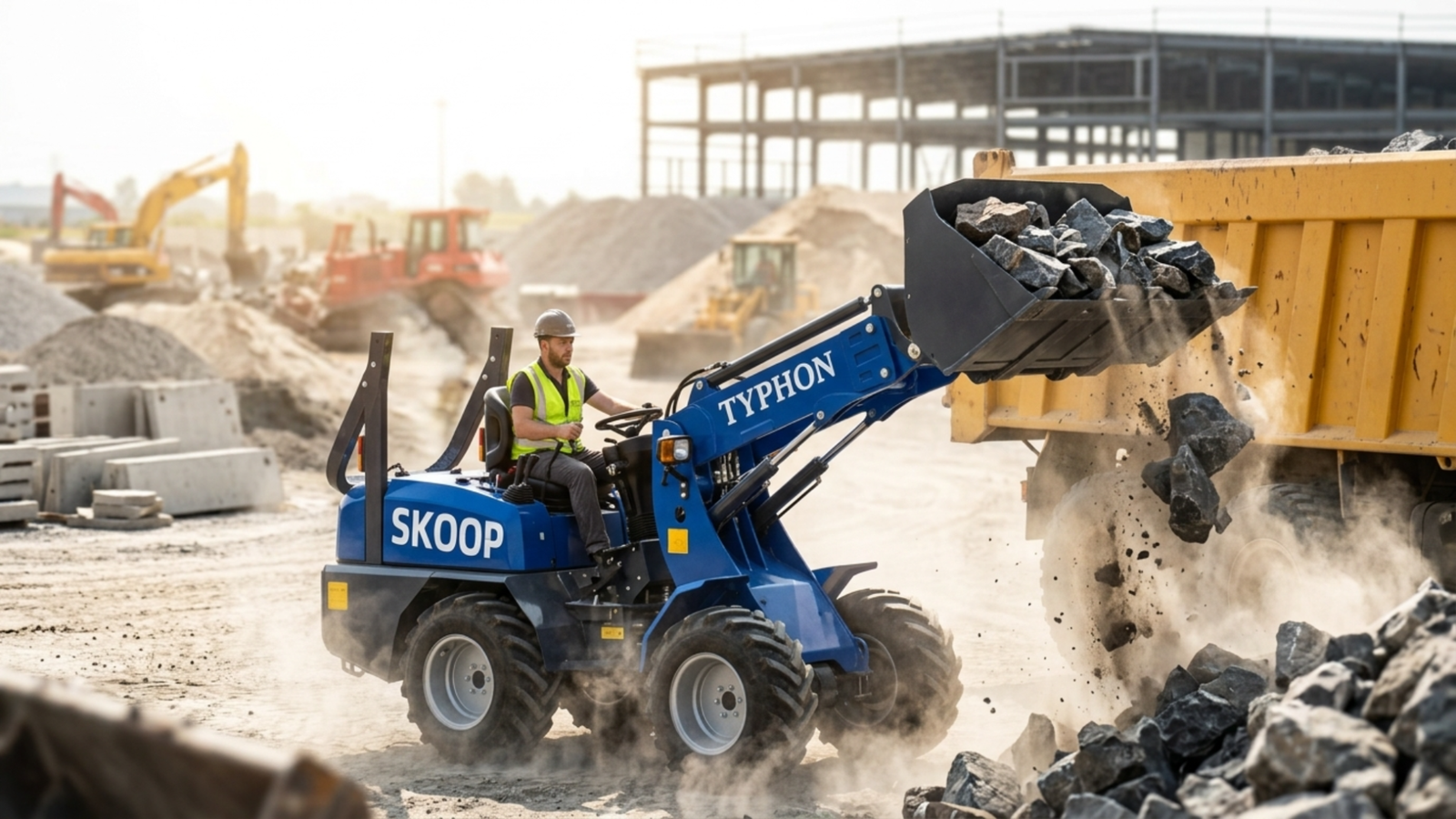
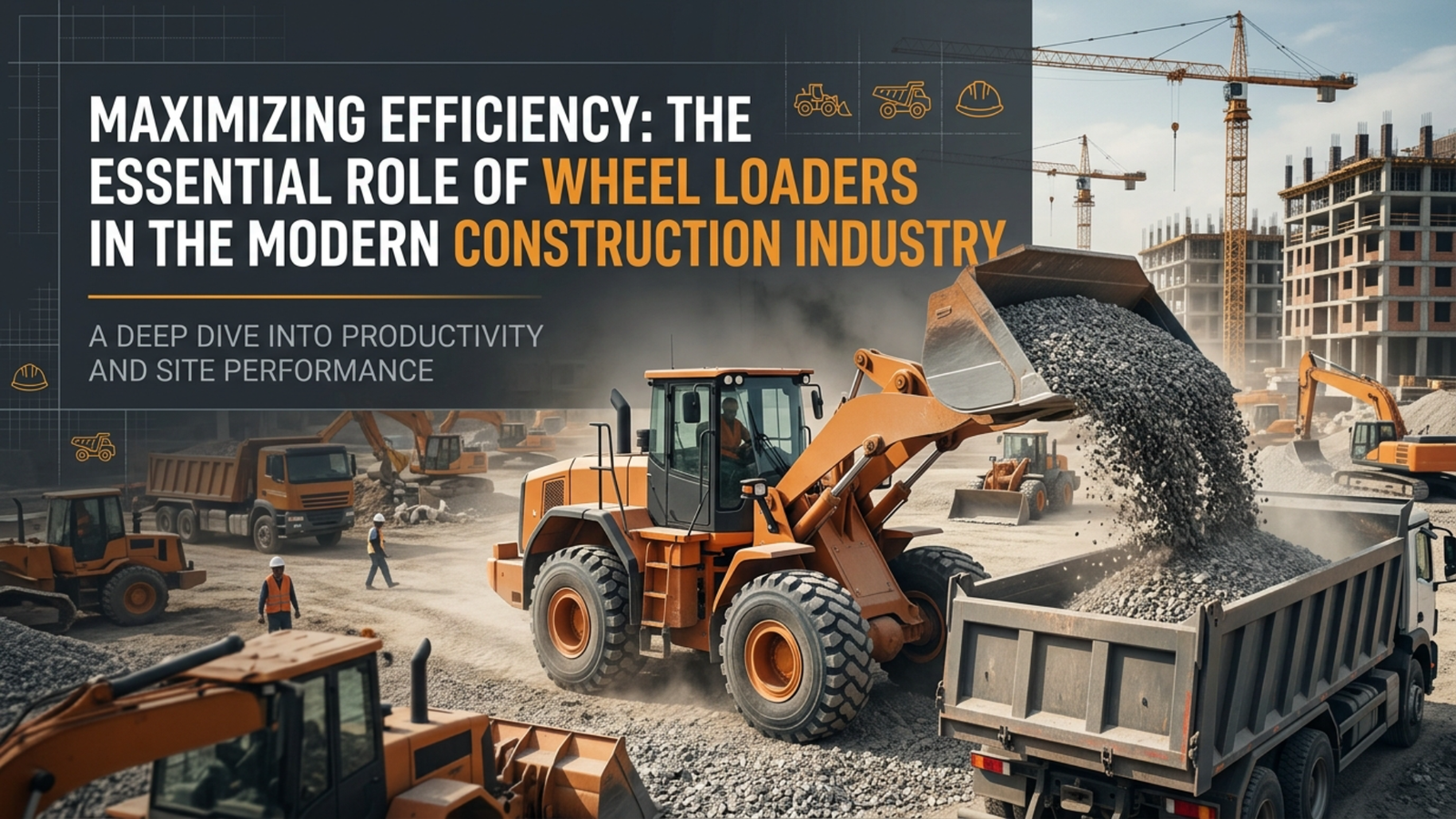
On a busy construction site, time is money and movement is everything. Materials like loose dirt, gravel, heavy rocks, and sand need to get from the stockpile to the truck, and from the truck to the active work zone without delay. When that flow slows down, your whole project pays a steep price. A wheel loader is the ultimate solution that keeps everything moving forward smoothly.
One of the most productive equipment on any contemporary construction site is the wheel loader. It can pick up tons of heavy debris in a single pass, move it across the site, and deposit it into a dump truck in a matter of seconds because of its enormous front bucket and powerful hydraulic arms. Because of its amazing speed and lifting capacity, it can perform tasks that manual crews just cannot match, sparing your employees from tiresome work and maintaining high energy levels.
Furthermore, these machines are highly versatile. With a quick switch of front attachments, a single wheel loader can instantly swap its bucket for heavy-duty forks to move pallets of lumber, or a sweeper attachment to clean up debris. By packing multiple jobs into one fast, mobile machine, you can drastically reduce equipment rental costs, maximize daily workflow, and ensure your project stays right on schedule.
Faster Material Loading and Transport
Moving material is the true backbone of nearly every construction job, and a wheel loader does it faster than almost anything else on the site. Whether dealing with loose soil, heavy gravel, fine sand, or crushed stone, this powerful machine scoops up massive amounts of aggregate in just a few seconds and carries the load directly to where it needs to go.
The machine’s ability to integrate lifting and hauling into a single, seamless motion is the source of its amazing speed. Traditional sites frequently need you to put materials into a different haul truck and wait for it to leave. That waiting period is eliminated entirely with a wheel loader. It gathers the stuff, moves it over the uneven terrain, and deposits it just where you want it. These little hauls gradually develop into quick, repetitive cycles that prevent awkward pauses throughout your project.
Think about a typical daily task like filling a long trench or feeding an industrial rock crusher. A wheel loader can cycle back and forth between the main stockpile and the active work zone all day long without stopping. It moves far more material per hour than a large crew with hand shovels or smaller, slower equipment ever could.
By speeding up these loading cycles, you prevent costly bottlenecks on the job site. Dump trucks do not sit idling and workers are never left waiting around for materials to arrive. Faster cycles naturally lead to faster daily progress. When you can move bulk materials efficiently, you finish your current project ahead of time and can move your team onto the next profitable job much sooner.
High Bucket Capacity for Greater Output
The bucket is where a wheel loader’s productivity really shows. A larger bucket allows the machine to move a massive amount of material in every single pass, and that increased volume adds up fast across a full workday.
Think about the simple math behind the operation. If your machine moves twice the volume per scoop, it can complete the exact same job in roughly half the passes. Fewer passes directly mean shorter cycle times, less fuel burned per ton of material moved, and far more overall output for every hour the machine runs. This high level of efficiency is exactly what keeps complex construction projects on budget and on schedule.
In addition to saving time and fuel, high bucket capacity also significantly reduces mechanical wear and operator fatigue. When you can cover the same ground in fewer trips, you put much less strain on the loader’s transmission, tires, and hydraulic system, while also making the workday easier on the person running it. Over weeks and months of heavy use on a job site, this translates into lower maintenance costs, fewer unexpected breakdowns, and steadier daily performance from your fleet.
Of course, matching the bucket size to your specific material and machine size matters here. A wheel loader that is sized correctly for your typical daily loads delivers the absolute best balance of speed, stability, and fuel efficiency. This gives you maximum output and faster loading times without overworking the equipment or risking a tip over.
Versatility with Multiple Attachments
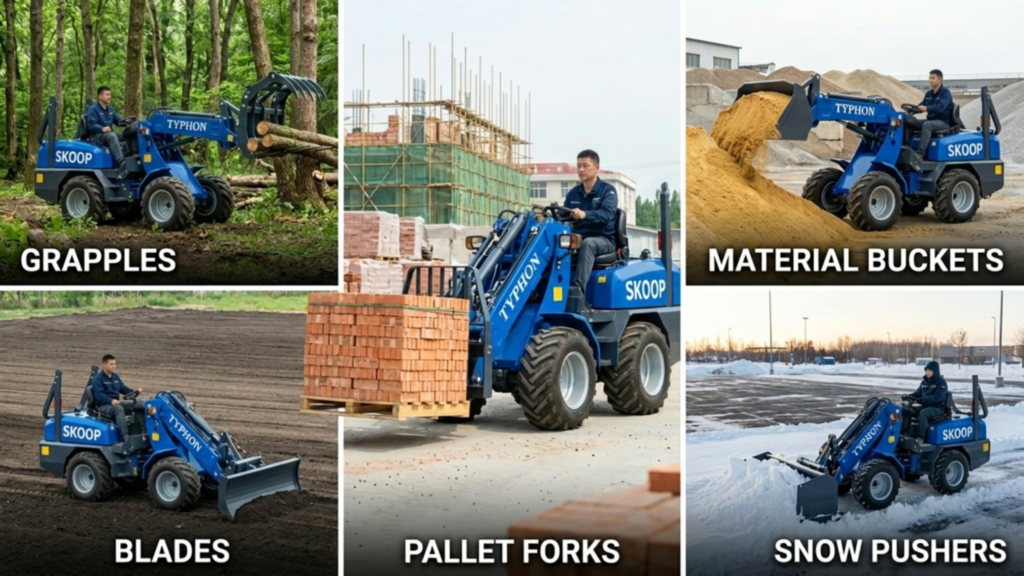
A wheel loader is far more than just a bucket on wheels. Thanks to its modern quick-attach system, this machine easily transforms into a multi-purpose workhorse, ready to switch tools and tackle entirely different tasks in just a few minutes.
By simply swapping out the standard bucket, your loader instantly gains new capabilities to handle various site demands:
- Pallet Forks: Perfect for moving heavy stacks of bricks, concrete blocks, bagged cement, and other palletized building supplies quickly around the site.
- Grapples: Designed with powerful hydraulic arms to securely grip and move logs, tree brush, bulky demolition debris, and irregular loads.
- Blades: Ideal for grading dirt, leveling rough ground, and pushing loose material across the site to prep the area for building.
- Material Buckets: Sized and shaped differently from standard buckets to handle specific types of aggregates, fine sand, or unique soil conditions.
- Snow Pushers: Excellent for clearing out large parking lots, work zones, and vital access roads during cold winter months.
Without the huge cost of purchasing or renting a separate piece of heavy machinery, each connection creates completely new business prospects. For every expanding construction company, this flexibility offers a significant financial benefit. You may keep your present investment working hard by simply modifying the wheel loader you currently own rather than renting pricey, specialist equipment for every task that comes along.
In the end, your entire fleet is made simpler by this amazing adaptability. A single dependable equipment with a variety of interchangeable attachments can be used for a variety of tasks. This implies that your company will have less equipment overall to store, repair, and move between locations. You receive a lot better return on your investment, considerably greater capability, and reduced operating expenses.
Reduced Labor Costs and Improved Job Site Workflow
Labor is one of the largest and least predictable costs on any construction project. A wheel loader directly reduces that heavy financial burden by taking over the grueling lifting and hauling tasks that your crew would otherwise have to handle by hand.
One single operator running a wheel loader can easily accomplish what might normally take a large team of laborers hours of exhausting work to complete. Moving heavy materials, loading up dump trucks, clearing out messy demolition debris, and feeding active work zones all happen significantly faster with a machine doing the muscle work. By letting the loader do the heavy lifting, you free up your skilled crew to focus entirely on specialized tasks that truly require their unique hands-on expertise.
This shift in labor efficiency creates positive ripple effects across your entire daily job site workflow:
- Protected Margins: Lower labor hours per job help keep your project on budget, shielding your profit margins even as wages continue to rise.
- Fewer Bottlenecks: Faster task completion keeps the whole job site moving smoothly without awkward pauses or delays between trades.
- Safer Work Environment: Fewer manual lifting injuries mean drastically reduced downtime, keeping your crew safe, healthy, and highly productive.
- Seamless Coordination: Materials arrive exactly when and where they are needed, eliminating waiting times for your team.
When the right material shows up at the right place at the right time, every other trade on the job site can work with maximum efficiency. That kind of smooth, well supplied workflow prevents workers from standing around waiting for supplies. Ultimately, this high level of daily coordination is what separates a project that finishes early and makes a profit from one that runs over schedule and loses money.
Ability to Handle Multiple Construction Tasks
The real strength of a wheel loader lies in its incredible ability to handle multiple jobs from a single seat. Rather than dedicating separate, expensive machines and operators to each individual task, you can put one versatile unit to work across your entire site.
Throughout a typical project, a wheel loader can shift seamlessly between many different daily roles:
- Loading & Hauling: Moving bulk soil, heavy gravel, and aggregate to and from work zones.
- Site Preparation: Grading and leveling ground to prepare foundation sites and access roads.
- Stockpiling: Organizing loose materials into neat, manageable piles to maximize site space.
- Backfilling: Quickly filling in trenches and foundations once the underground work is done.
- Material Handling: Using pallet forks to move heavy building supplies around the site.
- Land Clearing: Using powerful grapples to clear away thick brush and heavy demolition debris.
- Snow Removal: Clearing lots and roads in the winter to keep the job site open and safe.
Because of its broad range of capabilities, the machine maintains a high level of productivity across all seasons and project stages. As soon as the basic earthwork is completed, material handling takes over. Snow removal is an easy way to continue making money when frigid winter weather slows down outdoor development. Compared to specialized equipment that is idle in storage for months at a time, a machine that operates year-round yields a much higher financial return.
That flexibility is precisely what makes the wheel loader such a wise investment for any expanding construction company. A single piece of equipment may do a variety of everyday tasks, significantly lessen your dependency on pricey rentals, and maintain the flexibility of your entire business regardless of what the next task requires.
Conclusion
Having a wheel loader in your project will definitely help lots of labor work and doing all the tasks faster and efficiently. It loads and transports material at high speed, moves more volume per pass with its large bucket, and adapts to dozens of different jobs through quick change attachments. By letting the machine handle the heavy lifting, you trim labor costs, smooth out your workflow, and handle everything from grading to snow removal with a single operator.
The financial advantage appears to site managers and owners of construction companies. Throughout every season, a single reliable machine effectively handles the tasks of multiple specialist units, safeguarding your profit margins and maintaining the timeliness of your projects. You have a single workhorse that is active all year round rather than having to manage several pieces of equipment or pay for pricey rentals.
In the end, very few heavy machinery purchases offer this potent blend of daily dependability, speed, and flexibility. No matter what obstacles the next project presents, investing in a high-quality wheel loader guarantees that your job site will remain extremely efficient, your operators will continue to be productive, and your firm will remain profitable and competitive.