
Currently Empty: $0.00
Avoiding Premature Brake Wear on Your Wheel Loader
Wheel loaders often experience brake wear due to harsh working conditions, leading to unplanned downtime and safety risks. However, premature brake wear is usually preventable through better habits, settings, and maintenance. This guide outlines five strategies to enhance braking system longevity: utilizing transmission braking, coaching operators on smarter practices, maintaining proper tire pressure and ballast, ensuring clean fluid, and keeping cooling systems healthy. Consistent application of these strategies can improve reliability and reduce repair costs.
Implement Proper Use of Retarders and Transmission Braking
Understanding the mechanics and limitations of service brakes is crucial for the longevity of braking systems in heavy machinery, particularly when navigating downhill with a loaded bucket. Service brakes, designed to convert motion into friction, generate substantial heat when subjected to the weight of a heavy load on inclines. This excessive heat build-up can lead to problems such as overheated brake pads and discs, increased wear, and potentially dangerous brake fade, which significantly diminishes stopping power. Operators who rely solely on the brake pedal for controlling speed exacerbate this wear and tear, especially in environments with frequent downhill transport.
Adopting a perspective that frames braking as a heat management issue reveals the importance of alternative braking methods. Given that service brakes are not engineered to repeatedly absorb the full force of a heavy load, exclusive reliance on them results in premature replacements and costly repairs. It is essential to deploy alternative methods like transmission retarders and engine braking to alleviate the strain on service brakes.
Transmission retarders function by utilizing the drivetrain to slow down the machine, allowing the wheel brakes to operate minimally, while engine braking utilizes engine compression to aid in descent control. Both strategies excel at dissipating energy without generating the harmful friction heat that can lead to premature brake component failure.
Implementing these alternative braking systems can significantly enhance the operational lifespan of brakes. Users who incorporate these techniques into their procedures might experience a doubling or more of the time between necessary brake replacements, resulting in reduced expenses and improved efficiency on the job site. Ultimately, the proactive management of braking systems through these methods can lead to substantial long-term benefits for operators and their equipment.
To get the most from these systems, focus on a few key practices that keep the powertrain doing the heavy lifting:
- Engage the retarder early on descents rather than waiting until speed builds, so the powertrain controls the load from the start
- Match retarder settings to the grade, using stronger settings on steeper slopes and lighter ones on gentle declines
- Reserve service brakes for final stops and emergencies rather than continuous speed control
- Train operators to anticipate terrain so they activate transmission braking before they need it rather than reacting late
Making transmission braking a habit rather than an afterthought protects your brakes, improves control on grades, and reduces the mechanical stress that leads to premature failure across your fleet.
Optimize Operator Braking Habits
The use of brakes by operators significantly influences their lifespan, with habits formed over time having substantial impacts. One detrimental behavior is “riding the brake,” where constant light pressure generates excessive friction and heat, causing premature wear on brake pads and discs due to lack of cooling. Conversely, harsh, sudden stops also lead to accelerated wear by slamming components together. Many operators are unaware of the costs associated with these habits, resulting in instinctive but damaging behaviors. However, braking habits are learned and can be modified through effective training. Investing in operator coaching enhances brake longevity, reduces parts costs, minimizes breakdowns, and improves safety by fostering better machine control.
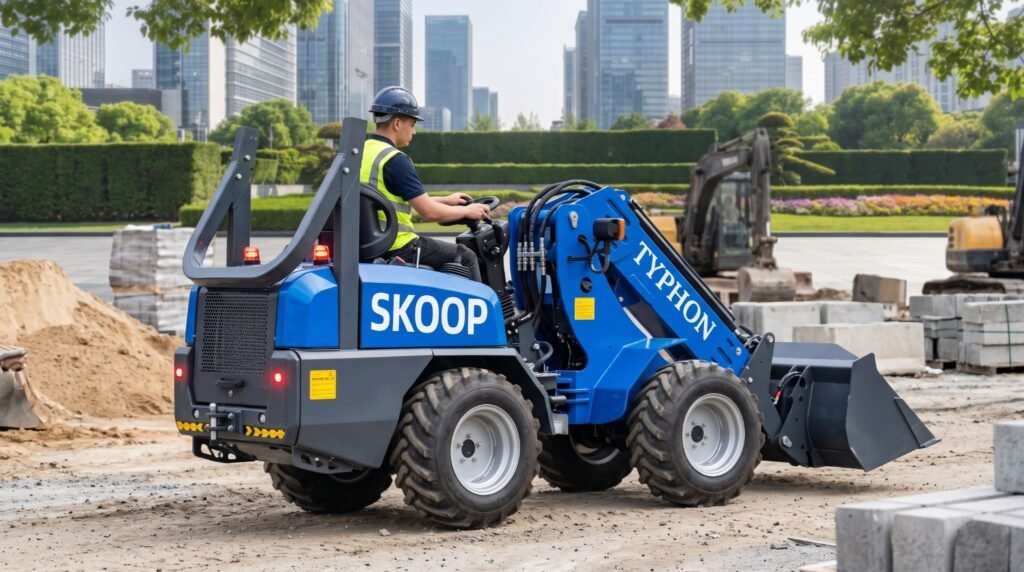
Developing optimal braking techniques involves training operators to anticipate rather than react, which reduces system stress through smooth deceleration. Maintaining a safe distance allows for gradual slowing, utilizing steady pressure on the brake pedal to keep temperatures in check and prevent damage. Operators are encouraged to assess terrain and traffic ahead, planning slowdowns and using transmission braking where appropriate. Initial efforts may feel deliberate but soon become instinctual with consistent practice. Supervisory support is essential, as operators tend to reflect the standards set by their leaders. Regular training and clear expectations help sustain good habits, while educating operators on the financial and safety implications of poor braking practices can further reinforce positive change. Integrating these principles into standard operating procedures ensures consistency across shifts, ultimately resulting in longer brake component life, fewer operational surprises, and enhanced safety.
Maintain Correct Tire Pressure and Ballast
Tire pressure and machine ballast might seem unrelated to your braking system, but they have a direct influence on how evenly braking force gets distributed, and getting them wrong forces certain brake assemblies to work harder than others. When tires are improperly inflated, the loader sits unevenly and the contact patch between each tire and the ground changes. An underinflated tire flexes more and grips differently than a properly inflated one, while an overinflated tire reduces the contact area and changes how the machine transfers load during a stop.
These imbalances mean that when you brake, the force does not spread evenly across all four wheels. Instead, some brakes absorb more of the work while others contribute less, and the overworked assemblies wear out prematurely. The same principle applies to ballast, the counterweight and load distribution that keep a loader balanced. A machine that is incorrectly weighted shifts more of its mass toward certain wheels, and the brakes on those wheels carry a disproportionate share of every stop.
Over time, this uneven loading produces the frustrating situation where one or two brake assemblies need replacement while the others still have plenty of life left. That kind of mismatched wear drives up costs and complicates maintenance scheduling, because you end up servicing the system more often than you should. Recognizing that balance affects braking helps you see tire and ballast maintenance as part of your brake-protection strategy rather than a separate concern, and it encourages the regular attention these areas deserve.
Keeping your loader properly balanced is straightforward once you make it a routine, and the payoff shows up in more even brake wear and more predictable maintenance intervals. Start by checking tire pressure regularly against the manufacturer’s specifications, since pressures drift over time and change with temperature, load, and normal use. Inflating every tire to the correct level restores the balanced footing that lets braking force spread evenly across all wheels.
Pay equal attention to ballast, confirming that counterweights are correctly installed and that you are not loading the machine in ways that throw off its designed balance. When the loader sits level and carries its weight as the manufacturer intended, the braking system can do its job without compensating for distortions you could have prevented. Here are the core habits that keep your machine balanced and your brakes wearing evenly:
- Check tire pressure on a set schedule, measuring when tires are cold for accurate readings against manufacturer specs
- Inspect tires for uneven wear, which often signals pressure problems or alignment issues that affect braking balance
- Verify ballast and counterweight setup matches the manufacturer’s recommendations for your configuration and tasks
- Avoid overloading or off-center loading that shifts weight unevenly and forces certain brakes to overwork
These habits cost little time but deliver real returns, protecting your brakes from the uneven, premature wear that improper inflation and ballasting quietly cause across long hours of operation.
Adhere to Rigorous Fluid Maintenance Schedules
Heavy-duty wheel loaders predominantly utilize oil-cooled or hydraulic-actuated braking systems, which rely on clean, high-quality fluid for optimal performance. This fluid not only transmits pressure to engage the brakes but also dissipates heat generated during braking and protects internal components from corrosion and wear. Maintaining clean fluid at the appropriate level is crucial for the brakes to function within their designated temperature range.
Contamination of the fluid occurs over time, with dirt, water, and metal particles accumulating and acting as abrasives within the brake assembly. This contamination impairs the fluid’s heat management capabilities and invites corrosion, leading to internal damage such as pitting and sticking. The gradual nature of these issues often results in undetected damage until repairs become costly.
To prevent significant fluid degradation, a disciplined maintenance schedule is essential. Operators can’t visually detect fluid deterioration, making regular checks and adherence to the manufacturer’s maintenance recommendations critical. Key maintenance practices include routinely checking fluid levels, changing oil, and replacing filters at specified intervals to eliminate contaminants. Filters play a vital role in trapping particles; neglecting them allows dirty fluid to circulate and potentially damage essential components.
Moreover, only the manufacturer’s specified fluid should be used, as incorrect fluid types can lead to improper heat management and damage seals. Operators should also inspect fluid conditions for signs of discoloration or odor variations, indicating dissipation or water intrusion, which are early warnings of potential problems.
Under demanding conditions such as high heat or dust, more frequent fluid changes may be necessary, and tailored maintenance schedules should be established. Keeping meticulous maintenance records can aid in maintaining the schedule and identifying emerging issues. By adhering to rigorous fluid maintenance protocols, including timely checks and changes, operators can prevent contamination and corrosion, safeguarding the reliability of oil-cooled brake systems and ensuring the loader functions effectively over time.
Conduct Regular Inspection of Cooling Systems
Wheel loader brake systems rely heavily on effective cooling to prevent thermal degradation during intensive operations. The oil-cooled system transports heat away from brake components, maintaining optimal performance even under demanding conditions. If the cooling system encounters issues, heat accumulation leads to brake overheating, resulting in problems such as glazing, which compromises braking effectiveness and accelerates wear. Overheating can also cause warping, fluid breakdown, and overall assembly deterioration.
To safeguard against these failures, it is crucial to treat the cooling system as integral to brake protection rather than a mere auxiliary function tied to the engine. Regular inspections are essential for this system to prevent overheating and subsequent premature brake replacements. Key maintenance activities include monitoring the cooling oil circuit for proper flow and pressure, checking radiators and coolers for dust and debris blockages, and ensuring the cooling fan operates efficiently.
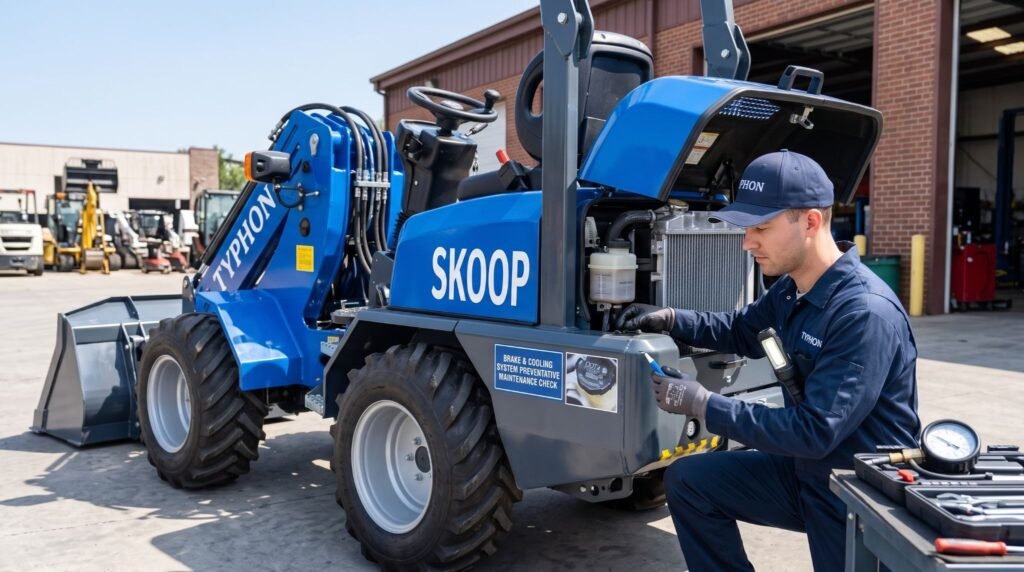
Temperature monitoring during operation can help identify developing issues before they escalate into severe failures. By incorporating these routine checks, evaluating oil flow, clearing obstructions from coolers, and verifying fan functionality, operators can maintain safe operating temperatures, thus protecting brakes from damage and minimizing unforeseen downtime and costs associated with early replacements.
Conclusion
Premature brake wear on a wheel loader is rarely an accident, and nearly every cause traces back to something you can manage with the right strategies. By leaning on transmission retarders and engine braking instead of overworking your service brakes, you shift heat away from the components most vulnerable to it. By coaching operators toward smooth, anticipatory braking and away from riding the brake, you eliminate one of the most common sources of unnecessary wear. By keeping tire pressure correct and ballast balanced, you ensure braking force spreads evenly across every wheel. And by maintaining clean fluid and a healthy cooling system, you protect the brakes from the contamination and heat that quietly destroy them. The most effective next step is to review your current practices against these five areas and identify where you are falling short. Pick the easiest improvement to make today, build it into your routine, and your loader will reward you with longer brake life and less downtime.