
Currently Empty: $0.00
How to Keep Your Wheel Loader Running in Extreme Temperatures
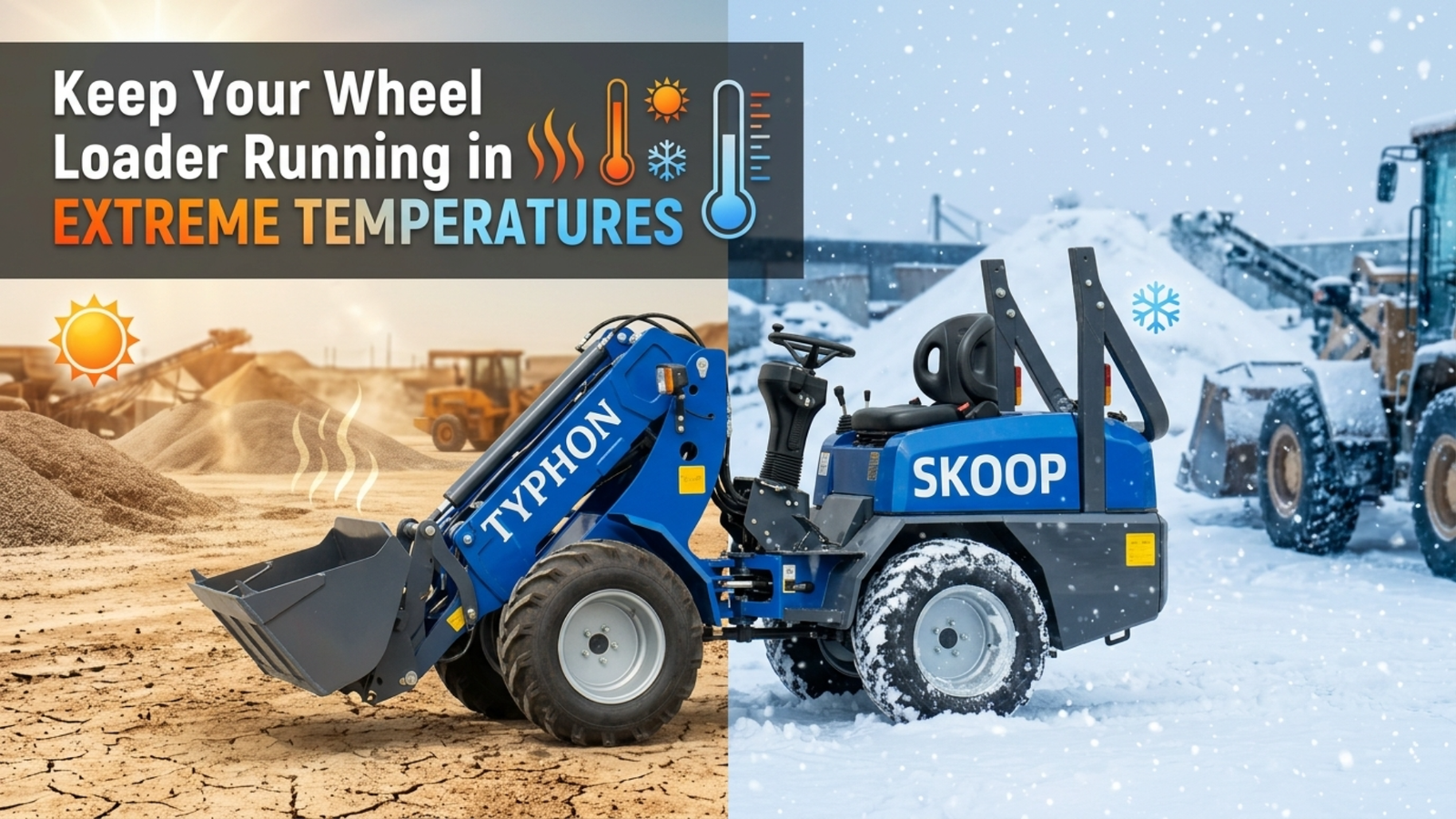
Extreme weather is one of the toughest tests a wheel loader faces. Scorching summer heat and bitter winter cold both strain the machine’s systems, and without the right preparation, they lead to overheating, hard starts, and breakdowns that halt your work. The good news is that a little proactive care goes a long way. With the right maintenance, fluids, and operating habits, your loader can perform reliably no matter what the thermometer reads. This post walks through five practical areas that keep your machine running strong in extreme temperatures, from preparing the cooling and heating systems to smart storage and preventive maintenance.
Prepare the Cooling and Heating Systems
The temperature control system carries an enormous burden in extreme conditions, and preparing it before the season turns is one of the smartest steps you can take. In blistering heat, the cooling system fights constantly to keep engine temperatures in check, while in deep cold, hard starts and slow warm-ups put their own kind of strain on the machine. A system that’s ready for these extremes keeps the loader dependable when the weather turns against you.
Start by giving each key component a thorough check before you put the machine to work in harsh conditions:
- Radiator, inspected for debris, blockages, and damaged fins that reduce its ability to shed heat.
- Coolant, confirmed at the correct level and in good condition to carry heat away effectively.
- Thermostat, tested to open and close properly so the engine reaches and holds the right temperature.
- Cooling fan, checked for proper operation and undamaged blades that move the air the system needs.
Any weakness in these parts leaves the machine vulnerable exactly when the demands on it are highest.
A well-maintained temperature control system pays off in both hot and cold weather. In summer, a clean radiator and healthy coolant prevent the overheating that can warp components and force costly repairs. In winter, a properly functioning thermostat and fan help the engine warm up efficiently and avoid the hard starts that strain the battery and drivetrain. Taking the time to inspect and service these systems before extreme temperatures arrive means the loader is ready to work through the worst of the season, delivering the steady, reliable performance you count on when conditions are anything but forgiving.
Use the Right Fluids for the Season
Fluids are the lifeblood of a wheel loader, and their performance changes dramatically with temperature. A fluid that flows perfectly on a mild day can thicken into sludge in the cold or thin out and lose protection in extreme heat. That’s why matching your fluids to the expected temperature range, following the manufacturer’s recommendations, is essential to keeping the machine running smoothly through the harshest conditions.
Several fluids deserve careful attention as the seasons shift, and choosing the right specification for each makes a real difference:
- Engine oil, selected in a viscosity grade suited to the temperature so it lubricates properly at both startup and full operating heat.
- Hydraulic fluid, matched to the conditions to maintain smooth, responsive operation without thickening or thinning out of range.
- Coolant, mixed to the correct concentration to resist both freezing in winter and boiling in summer.
- Fuel, chosen with cold-weather additives or seasonal blends where needed to prevent gelling and starting trouble.
Using the wrong fluid for the season undermines the very protection these fluids are meant to provide.
The benefits of seasonal fluids show up across the entire machine. The right engine oil ensures reliable lubrication when a cold engine turns over slowly or a hot one runs under heavy load, protecting internal parts from wear. Properly specified hydraulic fluid keeps lifting and steering crisp and responsive rather than sluggish. Correctly mixed coolant guards the engine against both freezing and overheating, and seasonal fuel keeps the machine starting and running cleanly. Consult your operator’s manual for the recommended specifications, and make seasonal fluid changes a standard part of your preparation. This straightforward practice improves lubrication, boosts system efficiency, and protects critical components, keeping your loader dependable no matter how extreme the temperature climbs or drops.
Inspect Tires, Battery, and Hoses Regularly
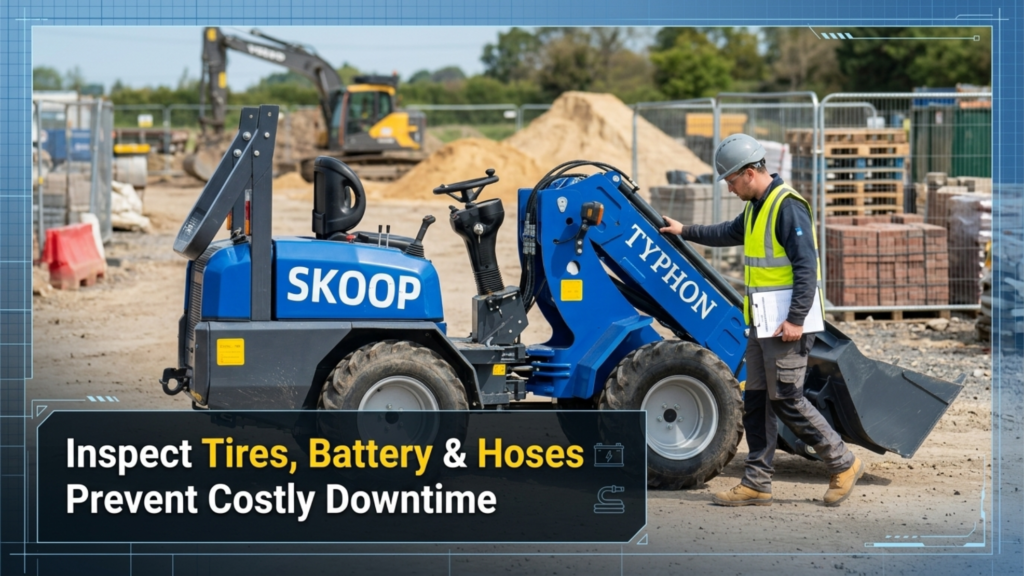
Extreme temperatures take a visible toll on several everyday components, and routine inspection is your best defense against the failures they cause. Heat and cold both affect tires, batteries, and the rubber parts of the machine in ways that can quickly lead to downtime if left unchecked. Building a regular inspection habit lets you catch trouble early, while it’s still a minor fix rather than a breakdown in the middle of a shift.
Tires respond directly to temperature swings, and pressure is the key thing to watch. Cold air causes tire pressure to drop, which affects traction, handling, and wear, while heat can push pressure higher and increase the risk of damage. Checking pressure regularly and adjusting it to the recommended level keeps the loader stable and protects the tires from premature wear in either extreme.
Batteries and rubber components need the same steady attention, since they’re especially sensitive to harsh conditions:
- Battery, tested for charge and checked for clean, secure connections, since cold weather saps cranking power and heat accelerates internal wear.
- Hoses, inspected for cracks, brittleness, or soft spots, because temperature extremes reduce the flexibility of the rubber over time.
- Belts, examined for wear, glazing, or fraying that harsh conditions tend to speed up.
Each of these parts can fail suddenly when weakened by extreme temperatures, and a failure often stops the machine cold.
The payoff from regular inspection is fewer surprises and less lost time. A battery caught before it dies, a cracked hose replaced before it bursts, and tires kept at proper pressure all keep the loader working when you need it most. Making these checks a consistent routine, especially as temperatures climb or plunge, helps you identify wear and damage before they turn into unexpected downtime, keeping your machine reliable through the demanding stretches of every season.
Adjust Operating Practices for Weather Conditions
Even a well-maintained wheel loader benefits from smarter operation when the weather turns extreme. How you run the machine has a direct effect on how well it holds up, and adjusting your habits to the conditions reduces stress on critical components. Recognizing that a cold morning or a scorching afternoon calls for a different approach is a simple change that protects the loader and keeps it performing dependably.
In cold weather, patience at startup makes a real difference. Allow the engine to warm up before putting it to work, giving the oil time to circulate and reach operating temperature so it can lubricate properly. Skipping this warm-up forces the machine to work hard while fluids are still thick and sluggish, which increases wear on the engine and hydraulic system. A few minutes of warm-up spares the machine that strain and helps it run smoothly once the workload begins.
Hot weather calls for restraint of a different kind. Pushing the loader to its limits during extreme heat leaves little margin for the cooling system, raising the risk of overheating and the damage that follows. Keeping workloads reasonable and giving the machine occasional breaks helps it manage heat and stay within safe operating temperatures. Consider a loader working through a summer afternoon: an operator who avoids continuous full-throttle work and watches the temperature gauge keeps the machine far healthier than one who runs it flat out until it overheats.
Smooth, deliberate operation ties these practices together in any extreme condition. Gentle inputs, steady movements, and sensible workloads reduce the mechanical stress that harsh temperatures already amplify. By adapting how you run the machine to the weather at hand, you help the loader work efficiently and safely while protecting the components that keep it dependable over the long haul.
Store and Maintain the Loader Properly
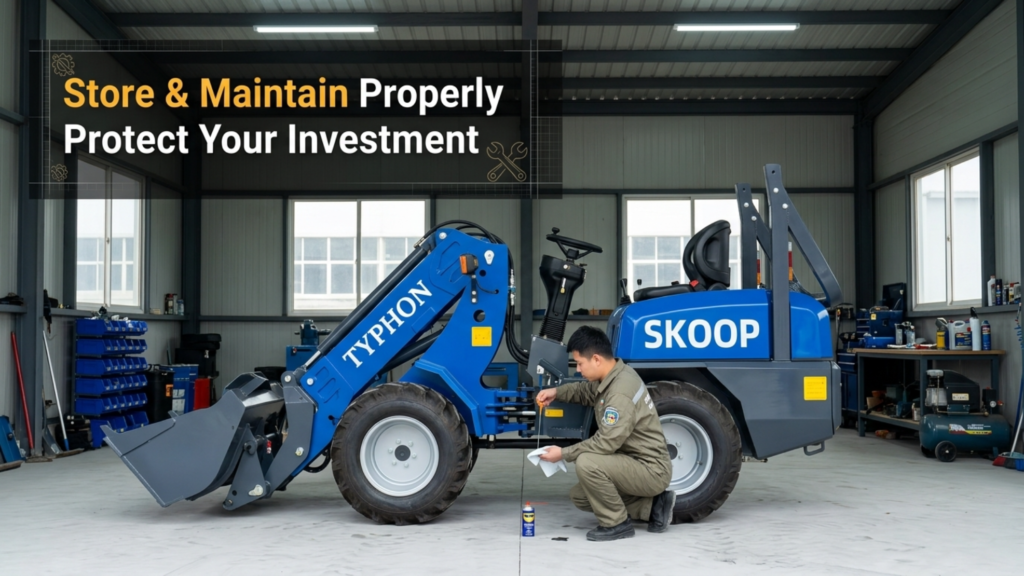
How you store and maintain a wheel loader between shifts matters just as much as how you run it, especially in extreme temperatures. A machine left fully exposed to relentless heat or bitter cold endures constant stress even when it’s parked, and that exposure gradually wears on its systems. Thoughtful storage and consistent maintenance shield the loader from the worst of the weather and extend its service life considerably.
Whenever possible, park the wheel loader in a covered or climate-protected area. A garage, shed, or even a simple shelter reduces exposure to direct sun, freezing temperatures, wind, and precipitation, all of which take a toll over time. Protected storage helps batteries hold their charge in the cold, keeps rubber components from degrading in the heat, and makes starting the machine far easier when it’s time to work. When indoor storage isn’t an option, positioning the machine out of the harshest exposure and using covers where practical still offers meaningful protection.
Regular cleaning and preventive maintenance round out a strong storage routine and keep the machine ready for demanding conditions. Clearing away dirt, mud, and debris prevents buildup that traps heat or moisture and interferes with cooling and moving parts. Staying ahead of scheduled maintenance ensures fluids, filters, and components remain in good condition rather than deteriorating unnoticed. Together, these habits guard against the temperature-related damage that shortens equipment life.
Treating storage and maintenance as an ongoing priority rather than an afterthought protects your investment in every season. A loader that’s kept clean, sheltered, and well maintained starts more reliably, runs more efficiently, and lasts longer, giving you dependable performance through years of extreme heat and cold. This steady, preventive approach is one of the most cost-effective ways to keep your machine working at its best.
Conclusion
Keeping your wheel loader running through extreme temperatures comes down to preparation and consistency. Ready the cooling and heating systems before the season turns, choose fluids matched to the conditions, and inspect tires, battery, and hoses regularly to catch wear early. Adjust how you operate the machine, warming up in the cold and easing off in the heat, and protect it with sheltered storage and steady preventive maintenance. Together, these practices reduce stress on critical components, prevent unexpected downtime, and extend the life of your machine. With a little proactive care, your loader will deliver reliable, efficient performance no matter how harsh the weather becomes.